Deciding what to do with a loved one's ashes is one of the most personal choices a family faces. There is no deadline. There is no wrong answer. What you choose can be as private or as shared, as permanent or as gentle, as feels true to the person you are honoring.
Some families know within days. Others keep the container the crematory returned and let it sit on a shelf for a year or more, and that is just as valid. The options below are meant to open up the range of what is possible, not to push you toward any one path.
Below are twelve real options. You do not have to pick just one.
Keep / Display / Bury
1. Keep ashes at home in a display urn
Keeping ashes at home is the most common choice, and by some estimates roughly one in five American families does it. A display urn on a mantel, shelf, or side table keeps your loved one nearby in a visible, comforting way. The urn becomes part of the home.
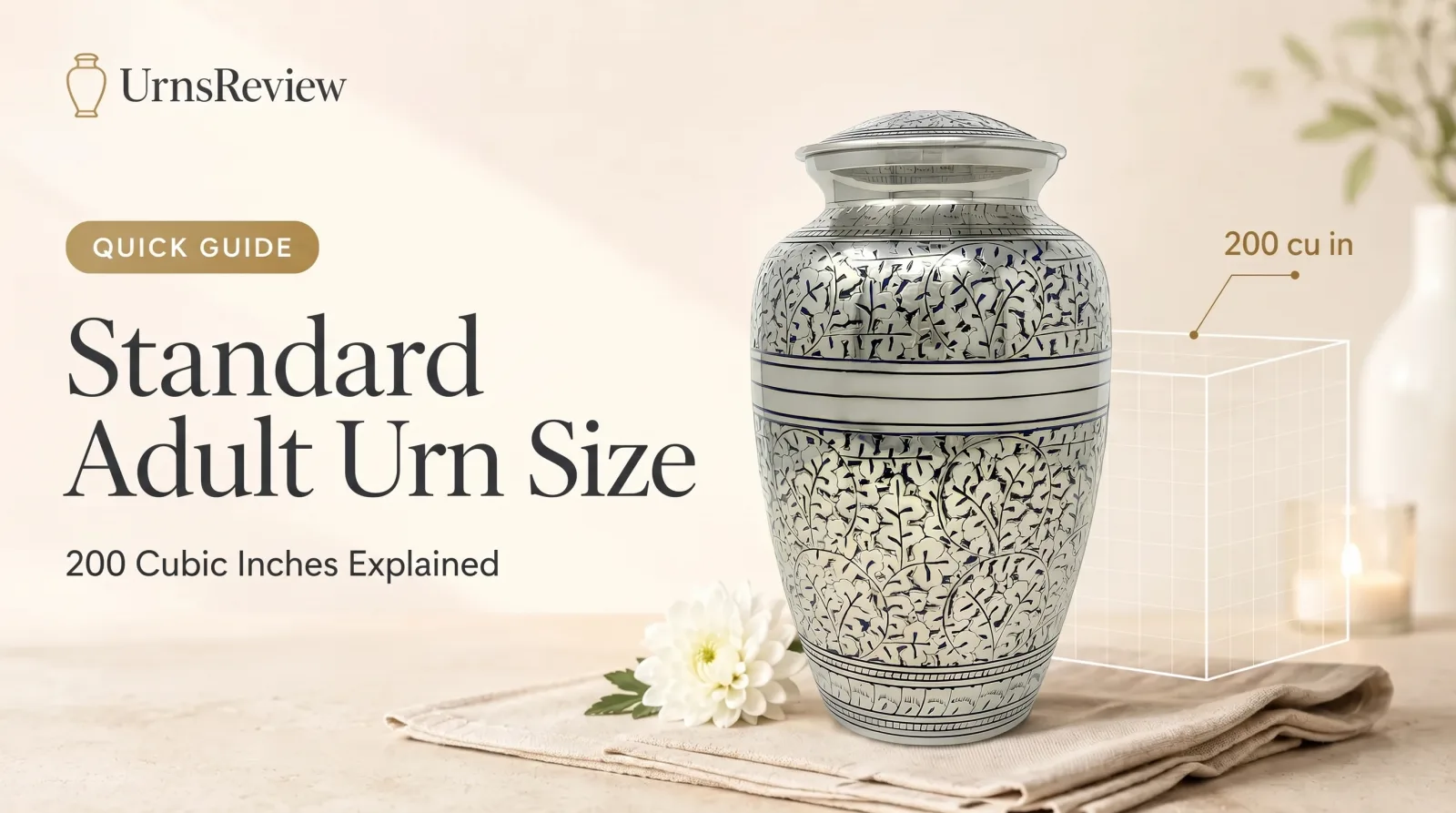
The Crimson Red Rose Urn is built for exactly this. It holds 220 cubic inches, is made from solid aluminium with a hand-engraved rose and a threaded screw lid that will not come loose, and costs $59.99 with a 4.9-star rating. It also comes in blue and purple. For help choosing the right size for your loved one, see our urn sizing guide.
2. Bury ashes in a cemetery plot or garden
A ground burial gives the family a fixed place to visit. Ashes can go into a dedicated plot, a family plot that already holds a relative, or a designated cremation garden. Many cemeteries require a burial container or vault; call ahead to confirm.
Burial is a good fit for families who want a traditional, lasting resting place and a grave marker. It also suits families where some members prefer not to keep ashes in a home. Costs vary widely by location and cemetery type, so compare options in your area before committing.
3. Place ashes in a columbarium niche
A columbarium is an indoor or outdoor structure of small sealed compartments, each holding one urn. It is a permanent, protected option that works well in urban areas where ground burial space is limited. Many funeral homes, churches, and cemeteries offer niches for purchase or annual lease.
4. Inter in a cemetery scattering garden
Some cemeteries have a designated garden area where cremated remains can be scattered or lightly buried. The family gains a maintained, permanent location to return to without purchasing a full plot. Ask your local cemetery if they offer this option.
Scatter
5. Scatter in a meaningful place
A favorite beach, a mountain trail, a childhood garden, a spot where your loved one spent happy years. Scattering is a ceremony in itself, and many families find it brings real closure. Some plan a formal gathering; others scatter quietly on their own. Both are meaningful.
A few legal points worth knowing:
- At sea (U.S.): Under the Marine Protection, Research, and Sanctuaries Act, you must scatter at least 3 nautical miles from shore and notify the EPA within 30 days of the scattering. No prior permit is needed, but the notification is a legal requirement.
- National parks: Most parks allow scattering with a free permit from the park service. Rules vary by park, so contact the park office before you go.
- Private land: You need the landowner's permission. A neighbor's property, even a beloved one, requires asking first.
- Public land and beaches: Rules vary by state and municipality. A quick call to the local parks department will tell you what is and is not allowed.
6. A water ceremony with a biodegradable water urn
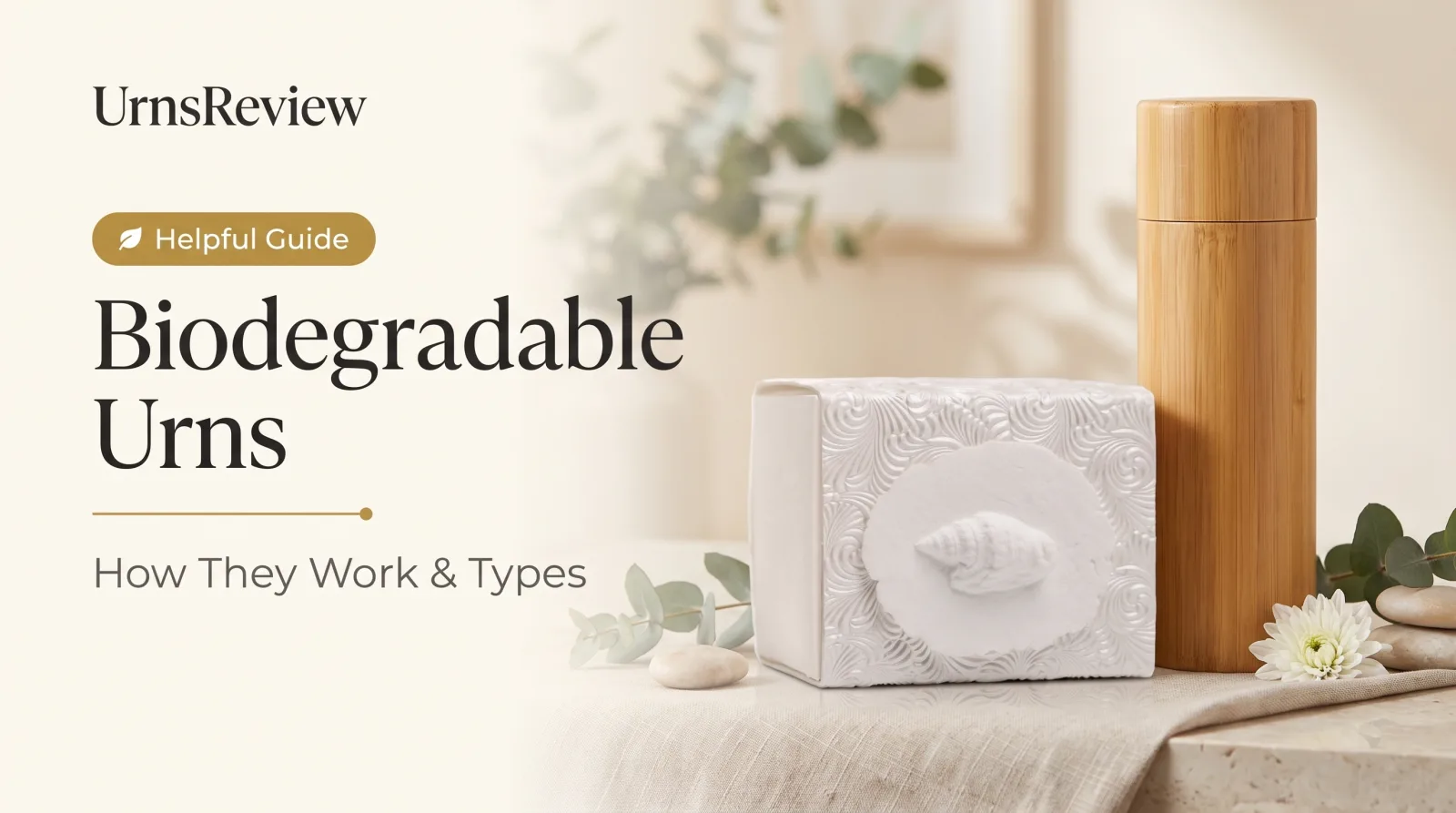
A biodegradable water urn is designed to float briefly, then dissolve gently on the surface of a lake, river, or ocean. It turns the act of letting go into a quiet, visible ceremony. Our biodegradable urns guide covers the most-used options and what each one is made of.
If you plan to scatter at sea this way, the federal notification requirement still applies: notify the EPA within 30 days, and stay at least 3 nautical miles from shore.
Share
7. Divide ashes among family members with keepsake urns
When several relatives each want to hold a portion of their loved one, small keepsake urns let families divide the ashes with care. A main display urn holds the larger share, and each person receives a small companion piece. There is no U.S. law against dividing cremated remains.
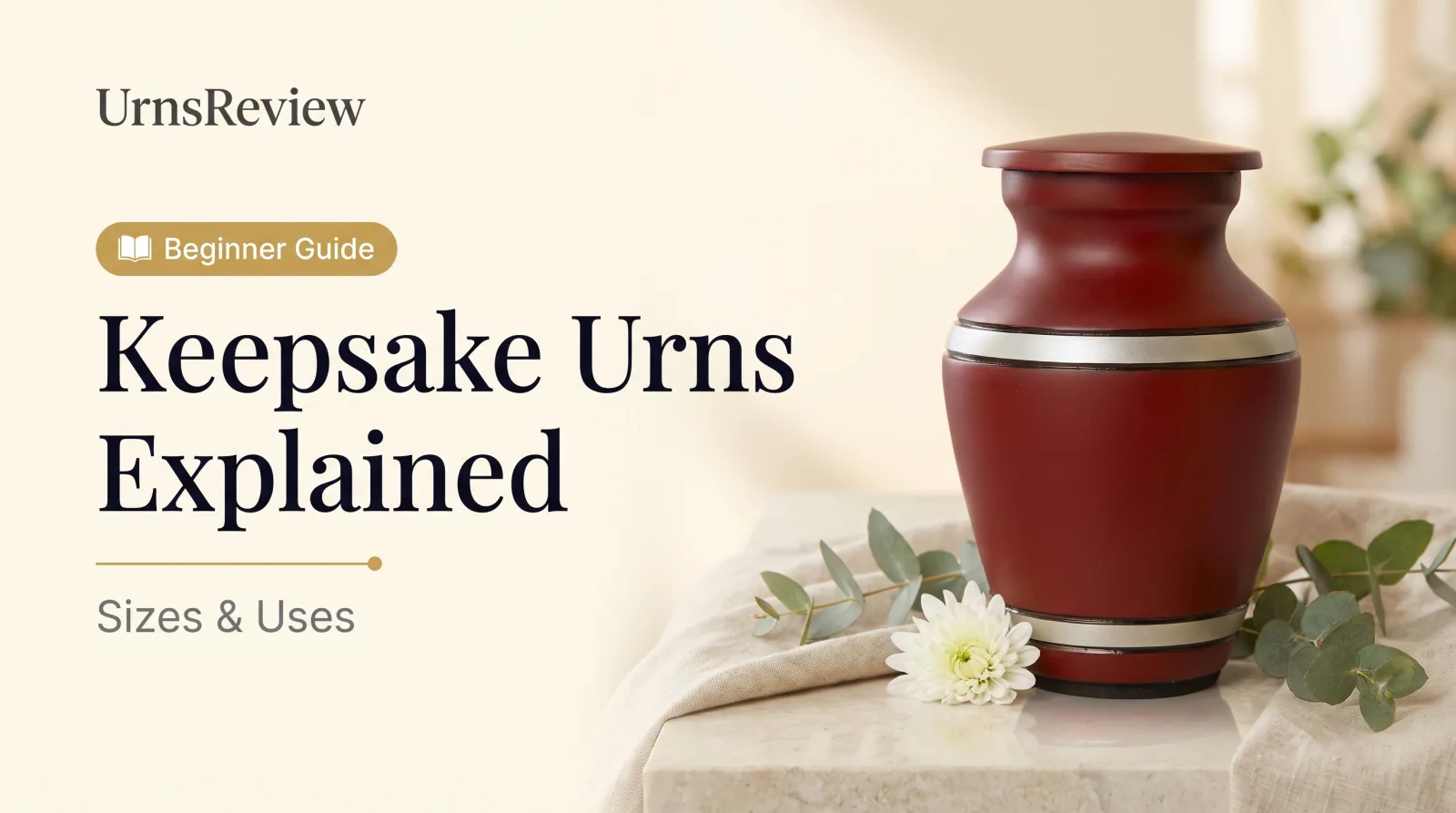
The Crimson Small Keepsake Urn matches the Rose Urn family, so a set looks intentional together. Check the listing for current capacity and price. For more on how this works, see our keepsake urns guide.
Transform
8. Grow a memorial tree with a biodegradable earth urn
A biodegradable earth urn holds ashes in a natural container designed to break down in soil, sometimes mixed with seeds or nutrients. A tree or plant grows from the spot over time. It is a living, visible memorial that changes with the seasons.
The urn is usually buried with the ashes inside, then a tree sapling or seeds are planted above it. Over the following years the urn breaks down, and the roots grow through it. The resulting tree becomes a living marker that the family can visit. See our biodegradable urns guide for specific products and what each is made of.
9. Have cremation jewelry made
A small amount of ashes (typically a teaspoon or less) can be sealed inside a pendant, ring, or bracelet by a specialist artisan. The jewelry keeps a person close every day, wherever you go. Styles range from minimalist glass pendants to set-stone rings that look like fine jewelry.
The process is simpler than most people expect. You send a small portion of ashes to the artisan, they set or encase them, and return the finished piece. Most families find the remaining ashes are barely reduced, so jewelry works well alongside a main urn at home.
10. Commission memorial glass art
Glass artists can fuse a small portion of ashes into hand-blown glass, producing a paperweight, a sphere, or a wall piece with subtle color and depth. Each piece is one of a kind. The result is both a work of art and a memorial object, and it can be displayed anywhere in a home.
Prices vary by artist and scale. A small paperweight typically starts around $150 to $200. Larger wall installations cost more. Search for "memorial glass art ashes" to find studios; many ship the finished piece back to you after you send a small sample.
11. Turn ashes into a gemstone or diamond
Several companies use high heat and pressure to compress ashes into a synthetic gemstone. The process takes several months and produces a stone that can be set into a ring or pendant. It is one of the more permanent and portable transformations available. Costs vary widely by company and stone size; request quotes from multiple providers before committing.
The stone can often be made in different colors depending on the trace minerals present. Most companies return both the finished gem and any remaining ash, so you do not have to use all the cremated remains for this single option.
12. Create an ocean memorial reef
Reef memorial companies such as Eternal Reefs mix a portion of cremated ashes into a concrete structure that is then placed on the ocean floor, becoming part of an artificial reef. GPS coordinates mark the exact location. Family and friends can dive to visit, or simply know it is there. The reef becomes a permanent, living structure in the sea.
Families are often invited to participate in a "casting ceremony" where they add their handprints or personal items to the concrete before it sets. The reef then grows coral and marine life over the following years. It is a meaningful choice for people who loved the ocean or wanted to give something back to the natural world.
Quick-reference overview
| Option | Best for | Permanence |
|---|---|---|
| Display urn at home | Wanting them nearby daily | Indefinite, moveable |
| Cemetery burial | A fixed place to visit | Permanent |
| Columbarium niche | Urban settings, shared space | Permanent, protected |
| Scattering in nature | A ceremony of release | One-time, no ongoing place |
| Water ceremony urn | A gentle, visible farewell on water | One-time |
| Keepsake urns for family | Sharing across households | Indefinite, portable |
| Memorial tree or earth urn | A living, growing tribute | Permanent in one spot |
| Cremation jewelry | Carrying them daily | Indefinite, portable |
| Memorial glass art | A displayable art object | Indefinite |
| Gemstone or diamond | A permanent, wearable heirloom | Indefinite, portable |
| Ocean memorial reef | A sea lover, an outdoor spirit | Permanent, fixed location |
| Scattering garden (cemetery) | A maintained place to return | Permanent, maintained |
Choosing more than one option
Many families combine ideas. A common pattern: keep most of the ashes in a display urn at home, give a keepsake to one or two relatives who live elsewhere, and scatter a small portion in a place the person loved. None of these choices cancel the others. You do not have to choose just one, and you do not have to decide everything at once.
If you are still thinking through the basics of urns and containers, our guide to the best cremation urns for adults covers materials, sizing, and what to look for. The ashes memorialization topic page gathers every related guide in one place.
A word about timing
Grief does not follow a schedule, and neither does this decision. Some families know right away what they want to do. Others keep the ashes at home for a year or two while they find their footing. Both are normal. There is no law, no social rule, and no pressure that makes one timeline more right than another.
UrnsReview is an independent guide to cremation urns and memorial choices. We are not a funeral home and we do not manufacture products. Our guides are written to answer real questions in plain language, with named sources and honest trade-offs included.
Frequently asked questions
Is it OK to keep ashes at home? Yes, and it is more common than many people realize. By some estimates roughly one in five American families keeps ashes at home rather than scattering or burying them. There is no law against it in the United States, and many families find comfort having a loved one's urn on a shelf or mantel for years.
Do you have to scatter or bury ashes by a certain time? No. There is no legal deadline in the United States for deciding what to do with cremated ashes. Many families keep them at home for months or years while they figure out what feels right, and that is completely normal.
Can I scatter ashes at sea? Yes, with straightforward federal rules. Under the Marine Protection, Research, and Sanctuaries Act, you must scatter at least 3 nautical miles from shore and notify the EPA within 30 days. No permit is needed, but the notification is required.
Do I need a permit to scatter ashes in a national park? Usually yes, but the permit is free. Most national parks allow scattering with a permit from the park service. Requirements vary slightly by park, so check with the specific park office before you go.
Can I divide ashes among several family members? Yes. There is no U.S. law against dividing cremated remains. Many families keep the majority in a main display urn and give each relative a small keepsake urn so everyone who grieves can hold a portion close.
What is cremation jewelry? Cremation jewelry is a pendant, ring, or bracelet that holds a very small amount of ashes sealed inside. It lets a person carry their loved one with them every day. Artisans who make it typically need only a teaspoon or less of ash.
What is a memorial reef? A memorial reef is a concrete structure mixed with a portion of cremated ashes and placed on the ocean floor to become part of an artificial reef. Companies such as Eternal Reefs offer the service. It is a permanent, living memorial in the sea.